

Myanmar zasáhlo silné zemětřesení: Děti a jejich rodiny potřebují pomoc
V pátek 28. března postihla střední část Myanmaru dvě silná zemětřesení. Otřesy s epicentrem poblíž Mandalaje, druhého největšího města v zemi, dosáhly podle odborníků síly 7,7 a 6,4 stupně Richterovy škály. Podle úřadů si živel vyžádal více než 3 750 obětí (aktualizace k 26. dubnu) a přes 5 100 zraněných, z nichž mnohé jsou děti, 116 osob se nadále pohřešuje. Zemětřesení ještě ztížilo už tak závažnou humanitární situaci a děti s jejich rodinami vystavilo ještě většímu nebezpečí. Týmy UNICEF jsou na místě a pomáhají lidem, kteří se ocitli v nouzi. Letadlo s humanitárními zásobami pro myanmarské rodiny zasažené zemětřesením přistálo ve čtvrtek 3. dubna v Yangonu, 80 tun pomoci poputuje do nejhůře zasažených oblastí.
Jak můžete pomoci dětem v Myanmaru:
- Prostřednictvím tohoto formuláře
- Přímo na účet 11771177/0300 s variabilním symbolem 836
Za Vaši pomoc dětem, Děkujeme!

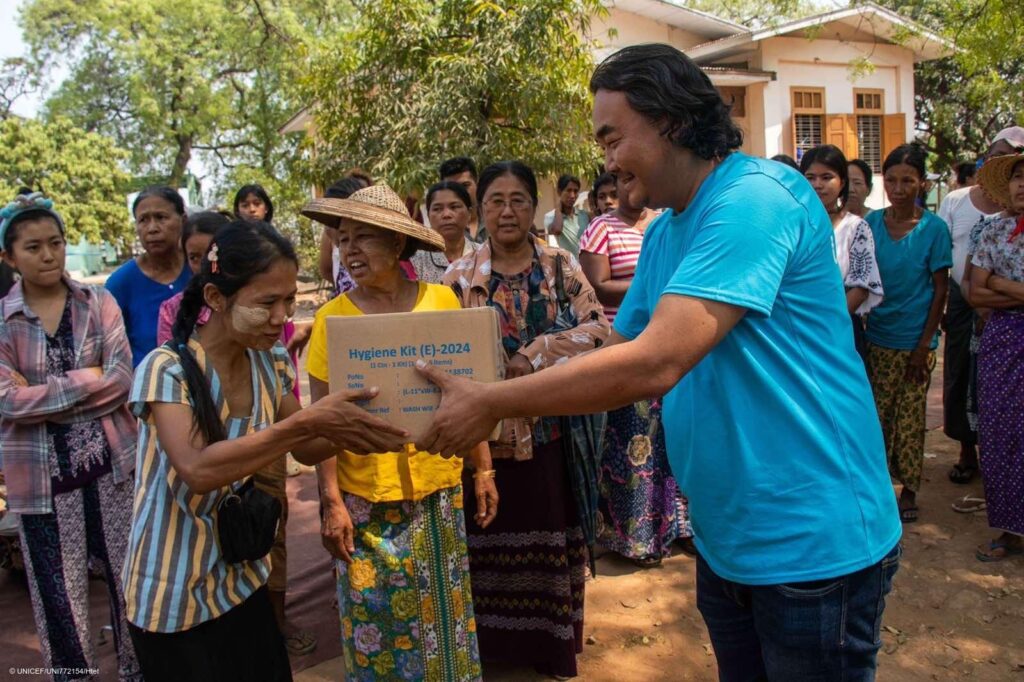
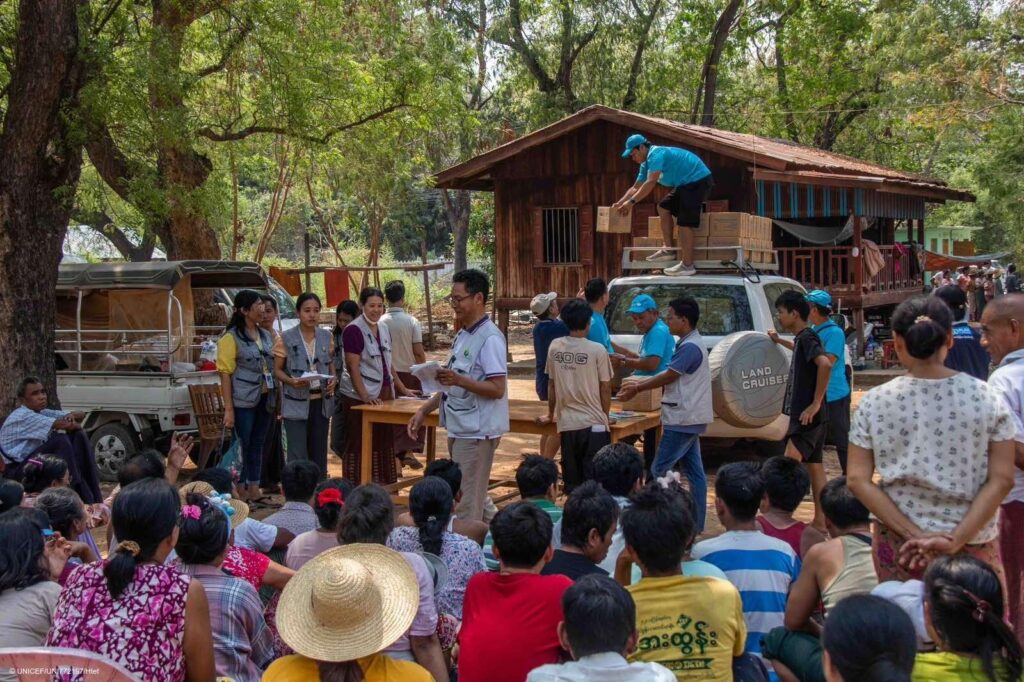
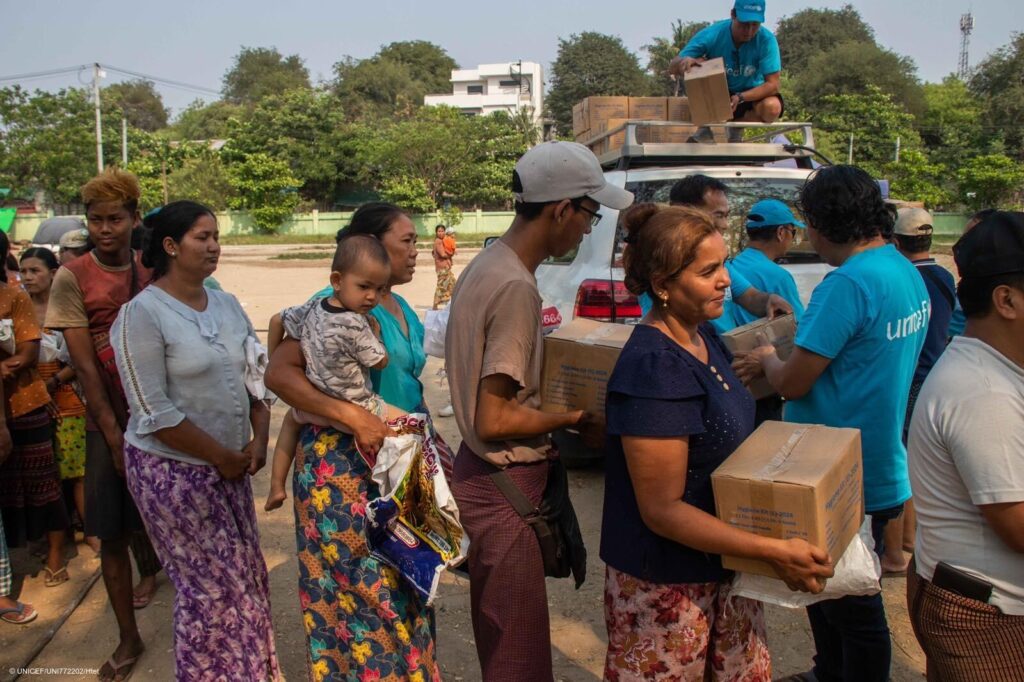
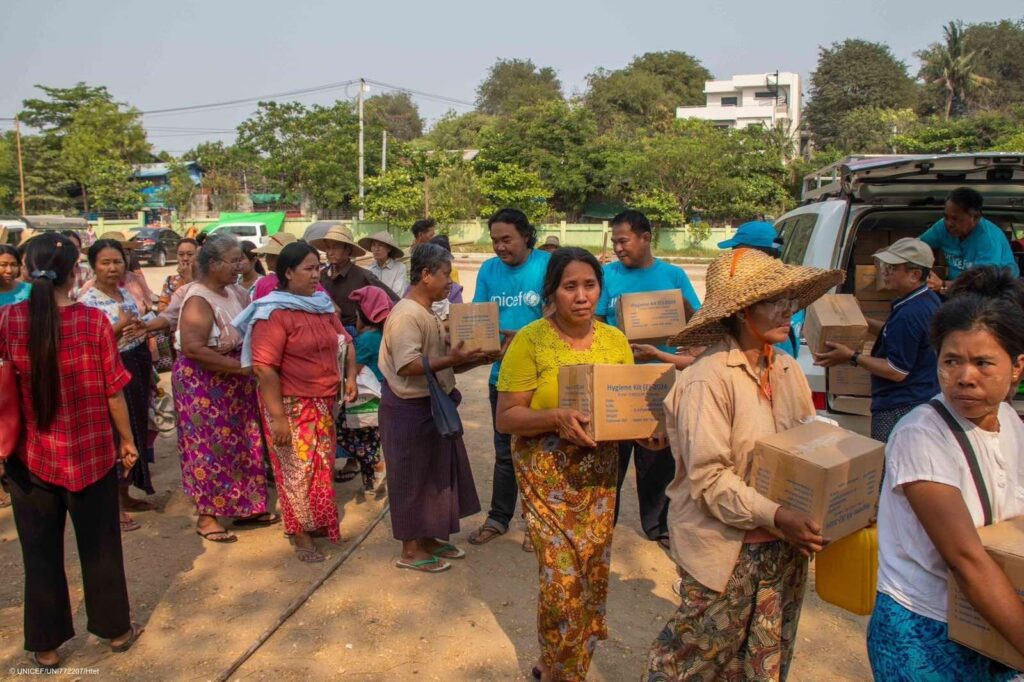
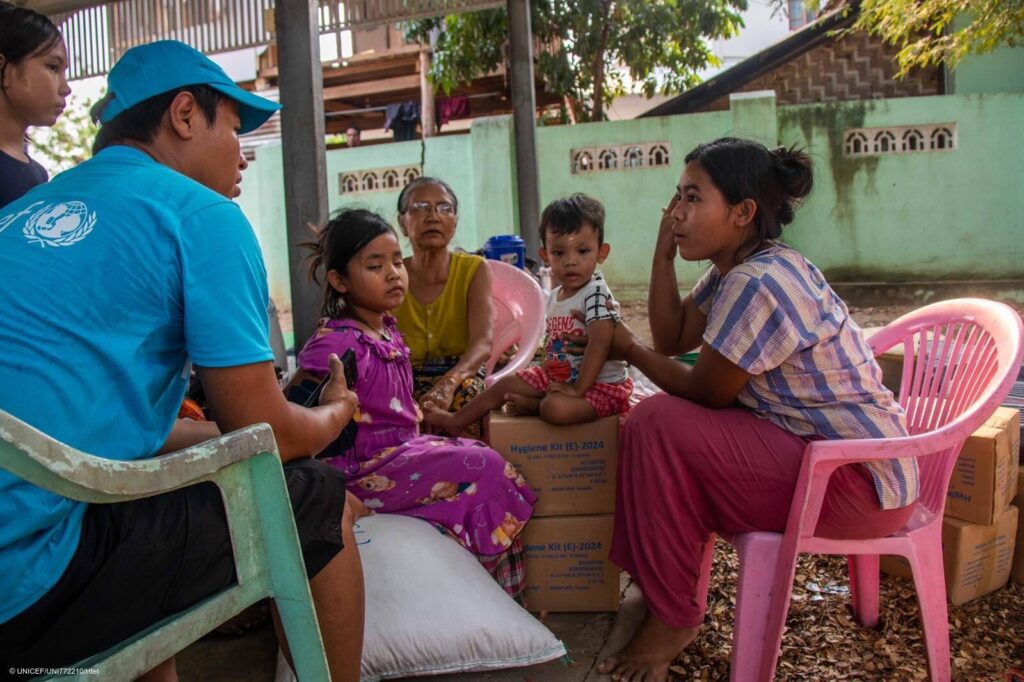
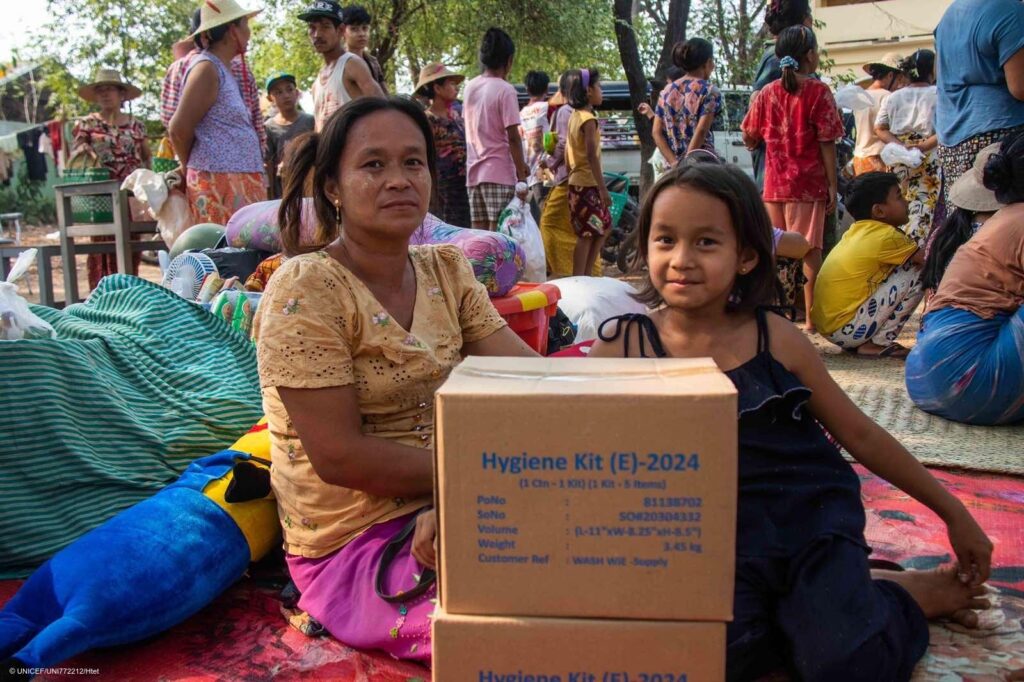
Distribuce humanitární pomoci ve městě Mandalaj, které zdevastovalo zemětřesení. Šlo o hygienické a sanitační soupravy a tablety na čištění vody. Pomoc distribuoval šéf oblastní kanceláře UNICEF Sai Han Lynn Aung,
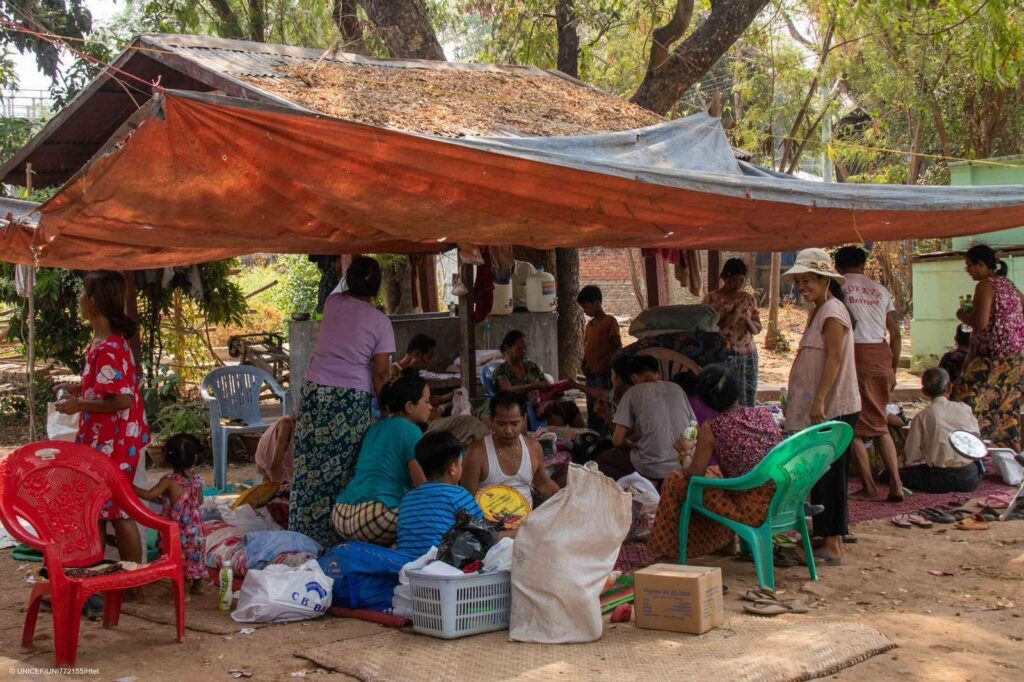
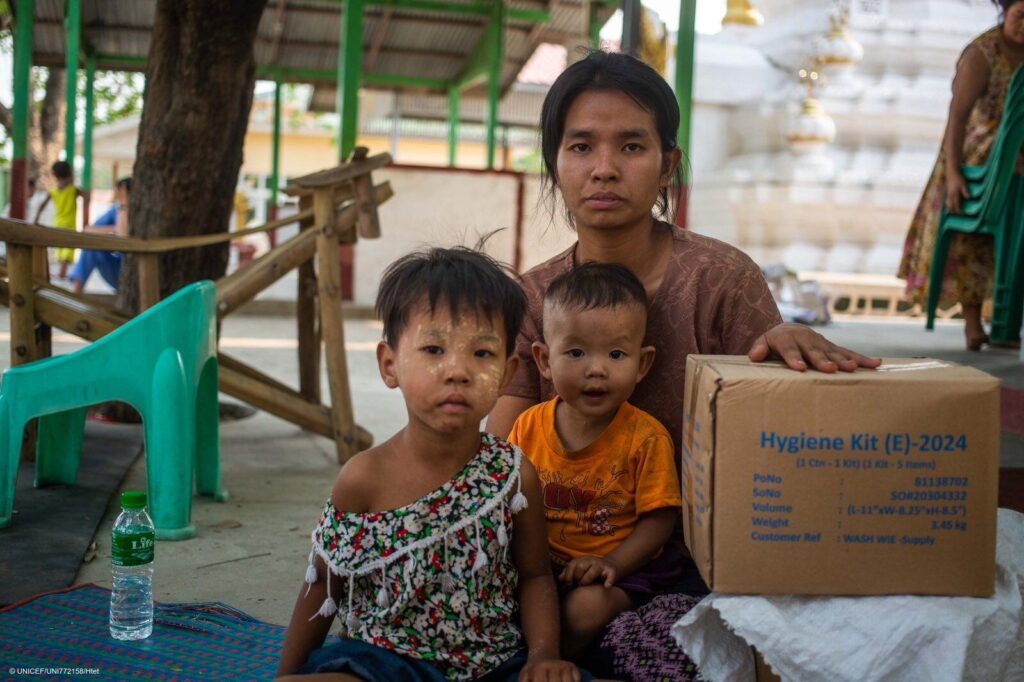
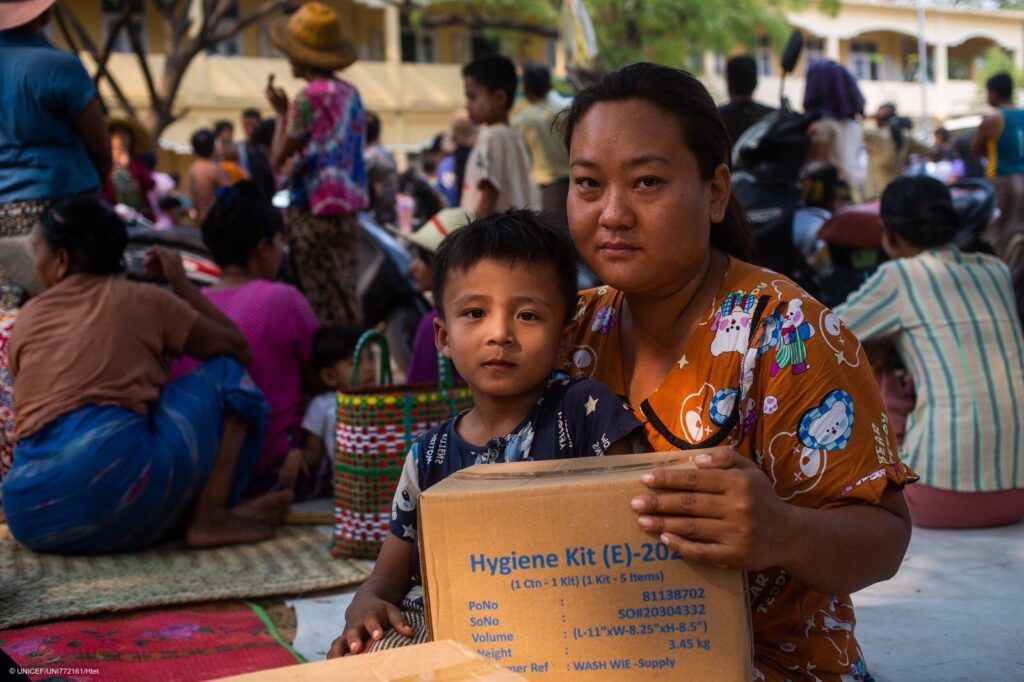
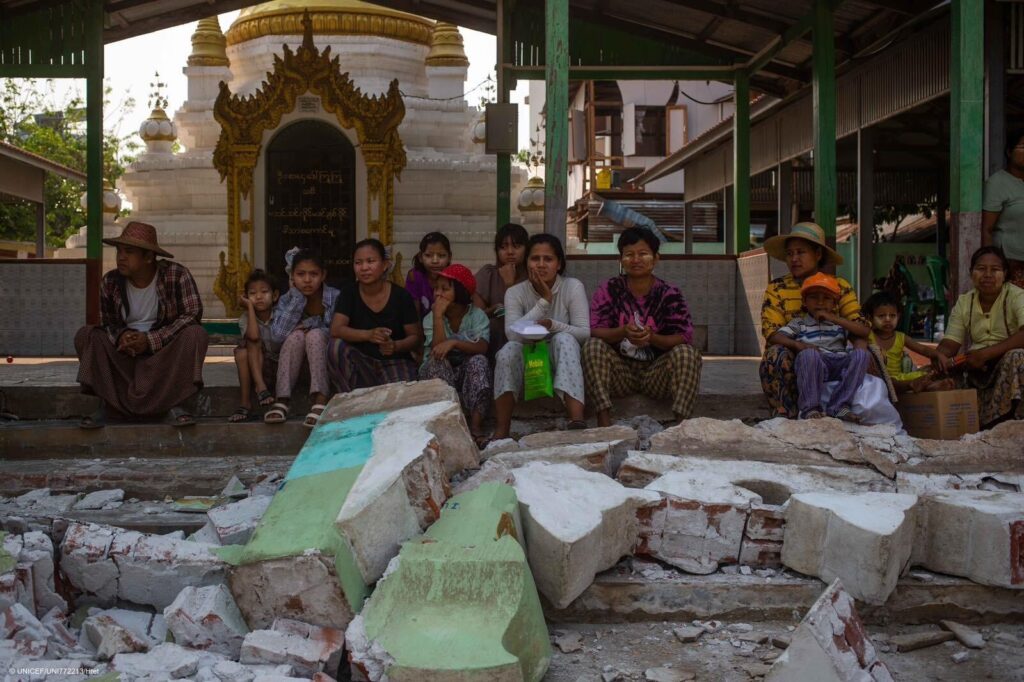
Šlo o nejhorší zemětřesení v Myanmaru za posledních 100 let. Na záběrech z místa katastrofy jsou patrné rozsáhlé škody na budovách a silnicích v hustě obydlených městských oblastech, kde žijí stovky tisíc dětí a jejich rodin. Řada obytných domů byla srovnána se zemí. Tisíce dětí a jejich rodin přišly o všechno - o milované členy rodiny, střechu nad hlavu, přístup k lékařské péči, pitné vodě a výživě, ke vzdělání. Rodiny v zasaženém regionu strádají a potřebují okamžitou pomoc, v zemi chybějí léky, včetně antibiotik, soupravy první pomoci, tablety na čištění vody nebo hygienické potřeby.
Přispívat můžete přímo na účet 11771177/0300 s variabilním symbolem 836.
Živel zničil také klíčovou infrastrukturu – nemocnice, školy či rozvody vody, důležité mosty a elektrické vedení. Lidé jsou bez proudu a pitné vody.

Zemětřesení v Myanmaru zničilo i důležité mosty.
Zemětřesení v pátek zasáhlo také v Bangkok a další části Thajska.
UNICEF v Myanmaru působí trvale od roku 1950, a nemusí tak investovat do přesunu pracovníků ani vlastního vybavení. Díky tomu jde 100 % darovaných příspěvků přímo na humanitární pomoc. Naši kolegové neúnavně pracují přímo v oblasti zemětřesení, distribuce pomoci začala téměř okamžitě, ale humanitární potřeby jsou obrovské.
Aktualizace ke 29. březnu:
Tým UNICEF působící v Myanmaru je v pořádku a v bezpečí. „Včera odpoledne (tj. v pátek 28. března) jsme rychle potvrdili počet osob. Současně jsme začali vyhodnocovat situaci. Přicházejí zprávy a dochází k vážnému poškození infrastruktury ve městech Neipyijto a Mandalaj. Máme kanceláře v obou městech, a tak nám naši kolegové a partneři na místě posílají informace. Včera jsme svolali krizový tým pro řízení mimořádných událostí, abychom stanovili první kroky. Dnes ráno proběhne jednání Humanitárního národního týmu a odpoledne setkání jednotlivých pracovních skupin, takže doufáme, že budeme mít co nejdříve další informace,“ uvedli zástupci UNICEF Myanmar.
Byl již rovněž dokončen prvotní plán dodávek základních zdravotnických, hygienických a ochranných potřeb pro děti, které mohou být okamžitě distribuovány a z nichž některé jsou již předem rozmístěny v Mandalaje a Neipyijto.
Aktualizace ke 30. březnu:
Pomoc je na cestě

Naši kolegové z Centrálního skladu UNICEF v Kodani (UNICEF Global Supply Hub) připravují k přepravě humanitární zásoby pro Myanmar.
V rámci prvotní fáze humanitární pomoci UNICEF mobilizoval 80 tun život zachraňujících zásob, včetně souprav první pomoci obsahujících základní léky, zdravotnický materiál a pomůcky pro poskytování první pomoci, léčbu běžných onemocnění a menších poranění, dále stanů a hygienických souprav s mýdly, menstruačními pomůckami a dezinfekčními prostředky.
Aktualizace k 1. dubnu:
Svědectví z terénu: Čas na záchranu životů se krátí
„Naprostá zkáza,“ popsala oblasti zasažené zemětřesením zástupkyně UNICEF v regionu Julie Rees. „Nejsmrtelnější zemětřesení za poslední desítky let si nejkrutější daň vybralo na dětech. Právě jsem se vrátila z těch nejhůře postižených míst, kde jsem pracovala s našimi týmy, které distribuují první zásoby humanitární pomoci,“ nastínila situaci.

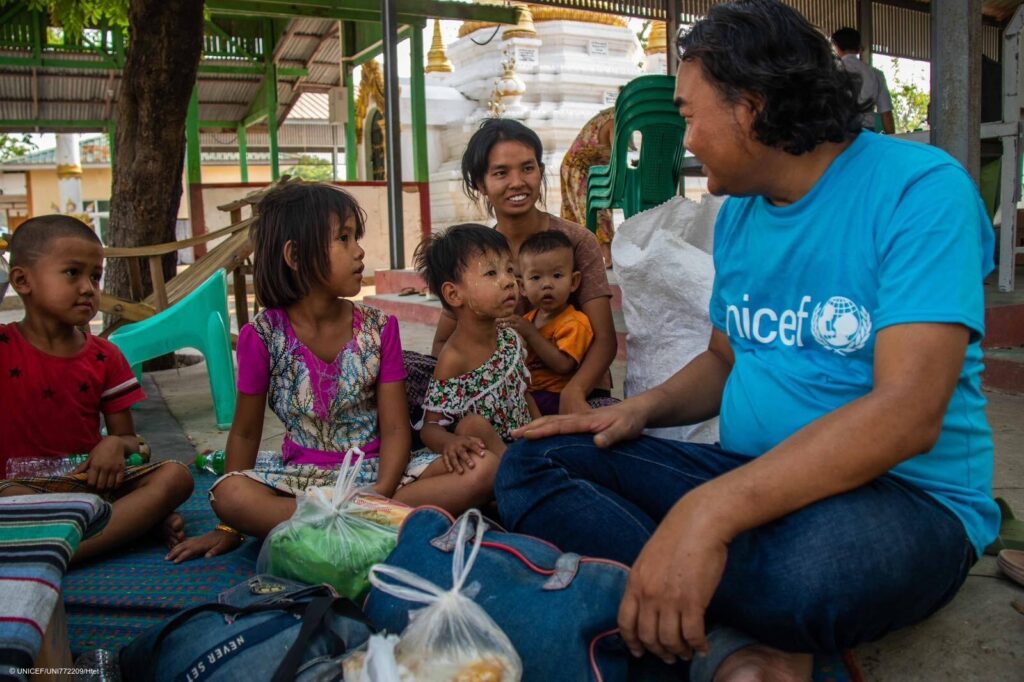
Pracovníci UNICEF ve městě Neipyijto s rodinami, které během zemětřesení přišly o všechno.
„To, co jsem viděla, bylo naprosto děsivé. Živel srovnal se zemí celé komunity. Děti a jejich rodiny nocují pod širým nebem bez jakékoli, nebo jen minimální, ochrany před počasím, nemají se kam uchýlit. Děti jsou v šoku, viděly umírat své milované, jejich domovy jim zmizely před očima. Některé jsou odděleny od rodičů, některé se pohřešují,“ uvedla Rees.
Dětem v Myanmaru můžete pomoci prostřednictvím tohoto formuláře nebo přes platformu Darujme.cz.
„Katastrofa nemá konce, oblast dál čelí následným otřesům. Pokračují pátrací a záchranné operace. Další a další těla jsou denně odkrývána pod troskami. Byla jsem v poškozené nemocnici, odkud během posledních dvou dní záchranáři vytáhli 20 těl, ráno našli 3 oběti a jednoho přeživšího,“ přiblížila zástupkyně UNICEF.
„Děti s nadějí čekají, že najdou své rodiče. Rodiče zoufale pátrají po svých dětech. Zásah zemětřesení způsobil obrovské psychologické trauma. Už tak zkoušené děti, které žijí uprostřed eskalujícího konfliktu a čelí vysídlení, mají před sebou další katastrofu a její následky,“ upozornila Rees také na nutnost psychologické podpory, kterou děti a jejich rodiny budou potřebovat.
„Z našich skladů přímo v oblasti jsme společně s partnery začali okamžitě distribuovat pitnou vodu, sanitační a hygienické soupravy, stejně tak terapeutickou stravu. Pracujeme v neuvěřitelně složitých podmínkách – bez proudu, tekoucí vody, bez hygieny. Také pracovníci UNICEF spí venku, stejně jako komunity, ve kterých pomáhají,“ zdůraznila obrovské humanitární potřeby, které je třeba pokrýt.

Přeprava zásob humanitární pomoci z myanmarského města Yankoun do zasažených oblastí v okolí měst Mandalaj a Neipyijto.
„Řeknu to naprosto jasně – humanitární potřeby jsou obrovské a s každou hodinou stoupají, mobilizovaných 80 tun pomoci z našich globálních skladů je nepokryje. Je to závod s časem a čas na záchranu životů se neuvěřitelně rychle krátí,“ připomněla, že děti v Myanmaru už před katastrofou čelily humanitární krizi – okamžitou pomoc před zemětřesením potřebovalo 6,5 milionu dětí.
„Obracíme se na mezinárodní společenství a vyzýváme jej k neodkladné pomoci. Bez mezinárodní pomoci a zdrojů nedokážeme dostat pomoc ke všem dětem, které ji potřebují. Děti utrpěly vážná zranění a potřebují speciální lékařskou péči, tisíce z nich jsou traumatizované. Čím déle budeme čekat, tím horší dopad bude mít katastrofa na životy a budoucnost myanmarských dětí,“ zakončila. V pondělí se týmům UNICEF podařilo dopravit 10 kamionů s léky, zdravotnickým materiálem a tabletami na čištění vody do nejvíce postižených oblastí. Dalších 80 tun humanitárních dodávek je na cestě.
Aktualizace ke 3. dubnu:
Letadlo s humanitární pomocí přistálo v Yankounu
První mezinárodní let s humanitárními zásobami pro myanmarské rodiny zasažené zemětřesením přistál v Yangonu, 80 tun pomoci poputuje do nejhůře zasažených oblastí. Letadlo za podpory Evropské unie z globálního skladu UNICEF v Kodani přivezlo zdravotní soupravy, léky a zdravotnický materiál, stany i volnočasové soupravy pro děti. V následujících dnech by měly do Myanmaru letecky dorazit další zásoby. Humanitární potřeby rodin jsou obrovské a neustále se zvyšují.

„V Myanmaru došlo k naprosté zkáze, pro děti a jejich rodiny je to katastrofa,“ uvedla ředitelka regionální kanceláře UNICEF pro jižní Asii a Pacifik June Kunugi. „Jsme nesmírně vděční našemu partnerovi, Evropské unii, že umožnila dodávku život zachraňující humanitární pomoci. Zásoby přepravíme ke strádajícím dětem a rodinám, jak nejrychleji to půjde. Během přepravy a distribuce budeme využívat všechny bezpečnostní a monitorovací systémy,“ dodala.
Téměř okamžitě po zemětřesení UNICEF uvolnil humanitární zásoby ze svých skladů v Myanmaru a začal s jejich distribucí lidem v oblastech, které zasáhlo zemětřesení. Šlo o základní zdravotnický materiál, léky, jako jsou antibiotika nebo léky proti bolesti, rehydratační soli, tablety na čištění vody a hygienické soupravy včetně mýdel, dezinfekce nebo menstruačních pomůcek.
Týmy UNICEF rovněž zajistily pro děti a jejich rodiny přístup k čisté vodě pomocí cisteren. Přístup k čisté vodě je klíčový také ve snaze zabránit šíření infekčních nemocí.
Aktualizace k 6. dubnu
Humanitární potřeby jsou masivní
Situace rodin v Myanmaru po zemětřesení zůstává tragická. Týmy UNICEF se zaměřují na zajištění přístupu k pitné vodě, sanitaci a hygieně. Společně s partnery distribuovaly tablety na čištění vody pro více než 300 000 lidí, přičemž při denní spotřebě 7,5 litru na osobu tyto zásoby vystačí na 30 dní. Dále bylo dodáno 170 344 litrů užitkové vody pro 26 165 lidí v zasažených oblastech. Hygienické soupravy, kanystry na vodu, celty, lana a další vybavení obdrželo 79 750 lidí. Do zdravotnických zařízení bylo instalováno 50 filtračních systémů.
UNICEF dosud distribuoval přibližně 250 meziagenturních lékařských souprav (IEHKs), 4 000 porodních souprav a 6 000 souprav pro novorozence, s cílem pomoci více než 200 000 lidem během následujících tří měsíců. Pro více než 30 000 dětí mladších pěti let byla zajištěna terapeutická výživa pro léčbu akutní podvýživy, doplňky stravy bohaté na mikronutrienty, terapeutické mléko, pomůcky na podporu kojení a také misky na krmení. V regionech kolem měst Sagaing a Mandalaj zřídil UNICEF ve spolupráci s partnery mobilní kliniky a další provizorní zdravotnická střediska.
V oblasti vzdělávání UNICEF spolupracuje s národním a mezinárodním vzdělávacím klastrem a dalšími klíčovými partnery s cílem zajistit dětem přístup ke vzdělání. Státní i klášterní školy, stejně jako dočasná vzdělávací střediska, byly silně poškozeny nebo zcela zničeny. UNICEF proto prioritně poskytl dětem vzdělávací soupravy, včetně tzv. škol v krabici a volnočasových sad, a rovněž stany a celty pro zřízení provizorních tříd.
Zástupce UNICEF v Myanmaru Marcoluigi Corsi upozornil, že tisíce dětí potřebují psychologickou pomoc a podporu duševního zdraví.„Děti a jejich rodiny v těchto dnech prožívají skutečné peklo, je to hluboké trauma. Jejich dny jsou plné stresu a strachu,“ uvedl.
Aktualizace k 17. dubnu
Zemětřesení zasáhlo 9 milionů lidí včetně 2,7 milionu dětí
K datu 15. dubna UNICEF a jeho partneři zajistili tablety na čištění vody, které pokryjí potřeby více než 400 000 lidí na dobu 30 dnů. Více než 30 000 lidí získalo přístup k vodě pro domácí použití v oblasti měst Mandalaj a Neipyijto. Téměř 190 000 lidí obdrželo základní hygienické potřeby včetně hygienických souprav, kbelíků a celt.
Aby UNICEF pomohl dětem pokračovat ve vzdělávání, distribuuje 2 000 střešních krytin, 5 000 souprav pro rané vzdělávání a 250 volnočasových souprav na severozápadě zasažené oblasti. V Mandalaji a na místech pro vysídlené osoby jsou zřizovány centra přátelské k dětem. S blížícím se novým školním rokem je potřeba zajistit provizorní školy, proto UNICEF s partnery distribuuje mobilní stany, celty, střešní krytiny, vzdělávací soupravy včetně škol v krabici a individuální učební materiály.
Aktualizace k 27. dubnu
Měsíc po zemětřesení
Komunity zasažené zemětřesením čelí tvrdým podmínkám: extrémním vedrům, silným dešťům a blížící se monzunové a cyklónové sezóně, které představují další rizika. Stísněné prostory v provizorních přístřešcích zvyšují hrozbu šíření nakažlivých nemocí, mnoho zdravotnických středisek a nemocnic zůstává poškozených nebo přetížených. Zemětřesení rovněž přemístilo nespočet nášlapných min, to představuje vážné nebezpečí. Miny obecně jsou v Myanmaru obrovskou hrozbou - téměř 70 procent městských částí v loňském roce zaznamenalo incidenty spojené s minami.
K datu 24. dubna obdrželo více než 550 000 lidí tablety na čištění vody a 230 000 lidí obdrželo hygienické soupravy. UNICEF ve spolupráci agenturami OSN zajistil v tomto období přístup k vodě, hygieně a sanitaci pro 15 000 lidí. Základní zdravotní péče zůstává nadále omezená kvůli poškozeným nebo přetíženým zařízením. Přibližně jeden milion dětí mladších pěti let a 240 000 těhotných a kojících žen potřebuje základní zdravotní a výživové služby.
Dětem v Myanmaru můžete pomoci prostřednictvím tohoto formuláře nebo přes platformu Darujme.cz.
Děkujeme!

Distribuce humanitární pomoci ve městě Mandalaj, které zdevastovalo zemětřesení. Šlo o hygienické a sanitační soupravy a tablety na čištění vody. Pomoc distribuoval šéf oblastní kanceláře UNICEF Sai Han Lynn Aung,
A powerful 7.7 magnitude earthquake struck Myanmar on Friday, 28 March 2025 at 12:50 pm (local time). The epicentre, at a depth of 10 km, was located 16 km north-north-west of Sagaing city, and 19 km north-west of Mandalay city, Myanmar’s second largest city. An aftershock of magnitude 6.4 on the Richter scale was registered at 13:02 (local
time). Strong tremors were also felt in neighbouring countries, including Thailand. According to the Department of Meteorology and Hydrological (DMH), as of 31 March, 46 aftershocks were recorded with different magnitudes and depth. As per OCHA,1 over 1,700 people have died, more than 3,400 sustained injuries, and more than 300 people remain
unaccounted for nationwide. These numbers are expected to rise further as search and rescue operations continue.
The earthquake compounds the protracted crisis brought on by armed conflict, natural disasters (large-scale flooding and heatwaves in 2024, among others) and public health emergencies. The earthquake-affected areas in Myanmar, including the Sagaing region, are currently facing extreme heat, with temperatures soaring above 40°C (104°F). Daily
highs have reached up to 44°C (111°F), creating severe conditions for both affected communities and responders.
UNICEF has initiated a WASH assessment in Mandalay both on the needs as well as identification of potential service providers. Rapid WASH response has been initiated through partners in Mandalay, Sagaing and affected townships of Nay Pyi Taw. UNICEF partners are also gearing up to respond in Bago, Shan South and Magway. In the first phase at least 15,000 households will be supported through the provision of critical WASH su
A powerful 7.7 magnitude earthquake struck Myanmar on Friday, 28 March 2025 at 12:50 pm (local time). The epicentre, at a depth of 10 km, was located 16 km north-north-west of Sagaing city, and 19 km north-west of Mandalay city, Myanmar’s second largest city. An aftershock of magnitude 6.4 on the Richter scale was registered at 13:02 (local
time). Strong tremors were also felt in neighbouring countries, including Thailand. According to the Department of Meteorology and Hydrological (DMH), as of 31 March, 46 aftershocks were recorded with different magnitudes and depth. As per OCHA,1 over 1,700 people have died, more than 3,400 sustained injuries, and more than 300 people remain
unaccounted for nationwide. These numbers are expected to rise further as search and rescue operations continue.
The earthquake compounds the protracted crisis brought on by armed conflict, natural disasters (large-scale flooding and heatwaves in 2024, among others) and public health emergencies. The earthquake-affected areas in Myanmar, including the Sagaing region, are currently facing extreme heat, with temperatures soaring above 40°C (104°F). Daily
highs have reached up to 44°C (111°F), creating severe conditions for both affected communities and responders.
UNICEF has initiated a WASH assessment in Mandalay both on the needs as well as identification of potential service providers. Rapid WASH response has been initiated through partners in Mandalay, Sagaing and affected townships of Nay Pyi Taw. UNICEF partners are also gearing up to respond in Bago, Shan South and Magway. In the first phase at least 15,000 households will be supported through the provision of critical WASH supplies, including water p
A powerful 7.7 magnitude earthquake struck Myanmar on Friday, 28 March 2025 at 12:50 pm (local time). The epicentre, at a depth of 10 km, was located 16 km north-north-west of Sagaing city, and 19 km north-west of Mandalay city, Myanmar’s second largest city. An aftershock of magnitude 6.4 on the Richter scale was registered at 13:02 (local
time). Strong tremors were also felt in neighbouring countries, including Thailand. According to the Department of Meteorology and Hydrological (DMH), as of 31 March, 46 aftershocks were recorded with different magnitudes and depth. As per OCHA,1 over 1,700 people have died, more than 3,400 sustained injuries, and more than 300 people remain
unaccounted for nationwide. These numbers are expected to rise further as search and rescue operations continue.
The earthquake compounds the protracted crisis brought on by armed conflict, natural disasters (large-scale flooding and heatwaves in 2024, among others) and public health emergencies. The earthquake-affected areas in Myanmar, including the Sagaing region, are currently facing extreme heat, with temperatures soaring above 40°C (104°F). Daily
highs have reached up to 44°C (111°F), creating severe conditions for both affected communities and responders.
UNICEF has initiated a WASH assessment in Mandalay both on the needs as well as identification of potential service providers. Rapid WASH response has been initiated through partners in Mandalay, Sagaing and affected townships of Nay Pyi Taw. UNICEF partners are also gearing up to respond in Bago, Shan South and Magway. In the first phase at least 15,000 households will be supported through the provision of critical WASH supplies, including water purification chemicals, h
[Editor's note: Full name of the child is Phone Pyae Aung, for archival purposes only, not for publication.]
A powerful 7.7 magnitude earthquake struck Myanmar on Friday, 28 March 2025 at 12:50 pm (local time). The epicentre, at a depth of 10 km, was located 16 km north-north-west of Sagaing city, and 19 km north-west of Mandalay city, Myanmar’s second largest city. An aftershock of magnitude 6.4 on the Richter scale was registered at 13:02 (local
time). Strong tremors were also felt in neighbouring countries, including Thailand. According to the Department of Meteorology and Hydrological (DMH), as of 31 March, 46 aftershocks were recorded with different magnitudes and depth. As per OCHA,1 over 1,700 people have died, more than 3,400 sustained injuries, and more than 300 people remain
unaccounted for nationwide. These numbers are expected to rise further as search and rescue operations continue.
The earthquake compounds the protracted crisis brought on by armed conflict, natural disasters (large-scale flooding and heatwaves in 2024, among others) and public health emergencies. The earthquake-affected areas in Myanmar, including the Sagaing region, are currently facing extreme heat, with temperatures soaring above 40°C (104°F). Daily
highs have reached up to 44°C (111°F), creating severe conditions for both affected communities and responders.
UNICEF has initiated a WASH assessment in Mandalay both on the needs as well as identification of potential service providers. Rapid WASH response has been initiated through partners in Mandalay, Sagaing and affected townships of Nay Pyi Taw. UNICEF partners are also gearing up to respond in Bago, Shan South and Magway. In the first phase at least 15,000 households will be s
A powerful 7.7 magnitude earthquake struck Myanmar on Friday, 28 March 2025 at 12:50 pm (local time). The epicentre, at a depth of 10 km, was located 16 km north-north-west of Sagaing city, and 19 km north-west of Mandalay city, Myanmar’s second largest city. An aftershock of magnitude 6.4 on the Richter scale was registered at 13:02 (local
time). Strong tremors were also felt in neighbouring countries, including Thailand. According to the Department of Meteorology and Hydrological (DMH), as of 31 March, 46 aftershocks were recorded with different magnitudes and depth. As per OCHA,1 over 1,700 people have died, more than 3,400 sustained injuries, and more than 300 people remain
unaccounted for nationwide. These numbers are expected to rise further as search and rescue operations continue.
The earthquake compounds the protracted crisis brought on by armed conflict, natural disasters (large-scale flooding and heatwaves in 2024, among others) and public health emergencies. The earthquake-affected areas in Myanmar, including the Sagaing region, are currently facing extreme heat, with temperatures soaring above 40°C (104°F). Daily
highs have reached up to 44°C (111°F), creating severe conditions for both affected communities and responders.
UNICEF has initiated a WASH assessment in Mandalay both on the needs as well as identification of potential service providers. Rapid WASH response has been initiated through partners in Mandalay, Sagaing and affected townships of Nay Pyi Taw. UNICEF partners are also gearing up to respond in Bago, Shan South and Magway. In the first phase at least 15,000 households will be supported through the provision of critical WASH supplies, including water purification chemicals, hygiene kits, water
A powerful 7.7 magnitude earthquake struck Myanmar on Friday, 28 March 2025 at 12:50 pm (local time). The epicentre, at a depth of 10 km, was located 16 km north-north-west of Sagaing city, and 19 km north-west of Mandalay city, Myanmar’s second largest city. An aftershock of magnitude 6.4 on the Richter scale was registered at 13:02 (local
time). Strong tremors were also felt in neighbouring countries, including Thailand. According to the Department of Meteorology and Hydrological (DMH), as of 31 March, 46 aftershocks were recorded with different magnitudes and depth. As per OCHA,1 over 1,700 people have died, more than 3,400 sustained injuries, and more than 300 people remain
unaccounted for nationwide. These numbers are expected to rise further as search and rescue operations continue.
The earthquake compounds the protracted crisis brought on by armed conflict, natural disasters (large-scale flooding and heatwaves in 2024, among others) and public health emergencies. The earthquake-affected areas in Myanmar, including the Sagaing region, are currently facing extreme heat, with temperatures soaring above 40°C (104°F). Daily
highs have reached up to 44°C (111°F), creating severe conditions for both affected communities and responders.
UNICEF has initiated a WASH assessment in Mandalay both on the needs as well as identification of potential service providers. Rapid WASH response has been initiated through partners in Mandalay, Sagaing and affected townships of Nay Pyi Taw. UNICEF partners are also gearing up to respond in Bago, Shan South and Magway. In the first phase at least 15,000 households will be supported through the provision of critical WASH supplies, including water purification chemicals, hygiene kits, water
A powerful 7.7 magnitude earthquake struck Myanmar on Friday, 28 March 2025 at 12:50 pm (local time). The epicentre, at a depth of 10 km, was located 16 km north-north-west of Sagaing city, and 19 km north-west of Mandalay city, Myanmar’s second largest city. An aftershock of magnitude 6.4 on the Richter scale was registered at 13:02 (local
time). Strong tremors were also felt in neighbouring countries, including Thailand. According to the Department of Meteorology and Hydrological (DMH), as of 31 March, 46 aftershocks were recorded with different magnitudes and depth. As per OCHA,1 over 1,700 people have died, more than 3,400 sustained injuries, and more than 300 people remain
unaccounted for nationwide. These numbers are expected to rise further as search and rescue operations continue.
The earthquake compounds the protracted crisis brought on by armed conflict, natural disasters (large-scale flooding and heatwaves in 2024, among others) and public health emergencies. The earthquake-affected areas in Myanmar, including the Sagaing region, are currently facing extreme heat, with temperatures soaring above 40°C (104°F). Daily
highs have reached up to 44°C (111°F), creating severe conditions for both affected communities and responders.
UNICEF has initiated a WASH assessment in Mandalay both on the needs as well as identification of potential service providers. Rapid WASH response has been initiated through partners in Mandalay, Sagaing and affected townships of Nay Pyi Taw. UNICEF partners are also gearing up to respond in Bago, Shan South and Magway. In the first phase at least 15,000 households will be supported through the provision of critical WASH supplies, including water purification chemicals, hygiene kits, water
A powerful 7.7 magnitude earthquake struck Myanmar on Friday, 28 March 2025 at 12:50 pm (local time). The epicentre, at a depth of 10 km, was located 16 km north-north-west of Sagaing city, and 19 km north-west of Mandalay city, Myanmar’s second largest city. An aftershock of magnitude 6.4 on the Richter scale was registered at 13:02 (local
time). Strong tremors were also felt in neighbouring countries, including Thailand. According to the Department of Meteorology and Hydrological (DMH), as of 31 March, 46 aftershocks were recorded with different magnitudes and depth. As per OCHA,1 over 1,700 people have died, more than 3,400 sustained injuries, and more than 300 people remain
unaccounted for nationwide. These numbers are expected to rise further as search and rescue operations continue.
The earthquake compounds the protracted crisis brought on by armed conflict, natural disasters (large-scale flooding and heatwaves in 2024, among others) and public health emergencies. The earthquake-affected areas in Myanmar, including the Sagaing region, are currently facing extreme heat, with temperatures soaring above 40°C (104°F). Daily
highs have reached up to 44°C (111°F), creating severe conditions for both affected communities and responders.
UNICEF has initiated a WASH assessment in Mandalay both on the needs as well as identification of potential service providers. Rapid WASH response has been initiated through partners in Mandalay, Sagaing and affected townships of Nay Pyi Taw. UNICEF partners are also gearing up to respond in Bago, Shan South and Magway. In the first phase at least 15,000 households will be supported through the provision
A powerful 7.7 magnitude earthquake struck Myanmar on Friday, 28 March 2025 at 12:50 pm (local time). The epicentre, at a depth of 10 km, was located 16 km north-north-west of Sagaing city, and 19 km north-west of Mandalay city, Myanmar’s second largest city. An aftershock of magnitude 6.4 on the Richter scale was registered at 13:02 (local
time). Strong tremors were also felt in neighbouring countries, including Thailand. According to the Department of Meteorology and Hydrological (DMH), as of 31 March, 46 aftershocks were recorded with different magnitudes and depth. As per OCHA,1 over 1,700 people have died, more than 3,400 sustained injuries, and more than 300 people remain
unaccounted for nationwide. These numbers are expected to rise further as search and rescue operations continue.
The earthquake compounds the protracted crisis brought on by armed conflict, natural disasters (large-scale flooding and heatwaves in 2024, among others) and public health emergencies. The earthquake-affected areas in Myanmar, including the Sagaing region, are currently facing extreme heat, with temperatures soaring above 40°C (104°F). Daily
highs have reached up to 44°C (111°F), creating severe conditions for both affected communities and responders.
UNICEF has initiated a WASH assessment in Mandalay both on the needs as well as identification of potential service providers. Rapid WASH response has been initiated through partners in Mandalay, Sagaing and affected townships of Nay Pyi Taw. UNICEF partners are also gearing up to respond in Bago, Shan South and Magway. In the first phase at least 15,000 households will be supported through the provision of critical WASH supplies, including water purification chemicals, hygi
A powerful 7.7 magnitude earthquake struck Myanmar on Friday, 28 March 2025 at 12:50 pm (local time). The epicentre, at a depth of 10 km, was located 16 km north-north-west of Sagaing city, and 19 km north-west of Mandalay city, Myanmar’s second largest city. An aftershock of magnitude 6.4 on the Richter scale was registered at 13:02 (local
time). Strong tremors were also felt in neighbouring countries, including Thailand. According to the Department of Meteorology and Hydrological (DMH), as of 31 March, 46 aftershocks were recorded with different magnitudes and depth. As per OCHA,1 over 1,700 people have died, more than 3,400 sustained injuries, and more than 300 people remain
unaccounted for nationwide. These numbers are expected to rise further as search and rescue operations continue.
The earthquake compounds the protracted crisis brought on by armed conflict, natural disasters (large-scale flooding and heatwaves in 2024, among others) and public health emergencies. The earthquake-affected areas in Myanmar, including the Sagaing region, are currently facing extreme heat, with temperatures soaring above 40°C (104°F). Daily
highs have reached up to 44°C (111°F), creating severe conditions for both affected communities and responders.
UNICEF has initiated a WASH assessment in Mandalay both on the needs as well as identification of potential service providers. Rapid WASH response has been initiated through partners in Mandalay, Sagaing and affected townships of Nay Pyi Taw. UNICEF partners are also gearing up to respond in Bago, Shan South and Magway. In the first phase at least 15,000 households will be supported through the provision of critical WASH supplies, including water purification chemicals, hygiene kits, wa
A powerful 7.7 magnitude earthquake struck Myanmar on Friday, 28 March 2025 at 12:50 pm (local time). The epicentre, at a depth of 10 km, was located 16 km north-north-west of Sagaing city, and 19 km north-west of Mandalay city, Myanmar’s second largest city. An aftershock of magnitude 6.4 on the Richter scale was registered at 13:02 (local
time). Strong tremors were also felt in neighbouring countries, including Thailand. According to the Department of Meteorology and Hydrological (DMH), as of 31 March, 46 aftershocks were recorded with different magnitudes and depth. As per OCHA,1 over 1,700 people have died, more than 3,400 sustained injuries, and more than 300 people remain
unaccounted for nationwide. These numbers are expected to rise further as search and rescue operations continue.
The earthquake compounds the protracted crisis brought on by armed conflict, natural disasters (large-scale flooding and heatwaves in 2024, among others) and public health emergencies. The earthquake-affected areas in Myanmar, including the Sagaing region, are currently facing extreme heat, with temperatures soaring above 40°C (104°F). Daily
highs have reached up to 44°C (111°F), creating severe conditions for both affected communities and responders.
UNICEF has initiated a WASH assessment in Mandalay both on the needs as well as identification of potential service providers. Rapid WASH response has been initiated through partners in Mandalay, Sagaing and affected townships of Nay Pyi Taw. UNICEF partners are also gearing up to respond in Bago, Shan South and Magway. In the first phase at least 15,000 households will be suppo
